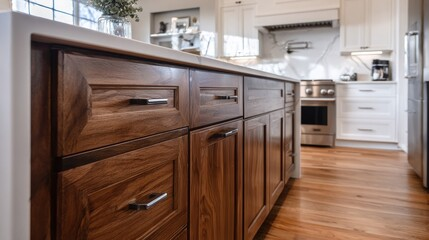
Cabinet refinishing may seem like a straightforward do-it-yourself project, but mistakes at every step can leave you with an unsightly and unusable result. Avoid these common mistakes to enjoy a seamless, professional-looking finish that will last.
Always degrease cabinets before refinishing them to ensure paint adheres properly. A product such as TSP (trisodium phosphate) works well, especially in high-traffic areas. Contact Cabinet Refinishing San Jose CA for more details.
1. Not Properly Preparing the Surface
While cabinet refinishing may seem like an easy DIY project, it can quickly turn into a nightmare without the right preparation. The wrong techniques, materials, or tools can lead to a poor finish that chips, peels, or yellows over time. Fortunately, this can be avoided by taking the time to learn what goes into a quality job and by working with a professional that knows how to get the job done right.
Not preparing the cabinet surface properly is one of the most common mistakes made by DIYers. Before painting or staining, cabinets must be thoroughly cleaned and sanded to remove grease, dirt, and other residue that can prevent the new finish from adhering. Then, a high-quality primer must be applied to create a strong bond and protect the wood from moisture and heat that can cause chipping or peeling.
In addition, it’s important to use a primer specifically formulated for cabinetry or high-traffic areas. This type of primer is designed to withstand the wear and tear of daily use, ensuring that your new finish will last for years to come.
Finally, it’s important to apply multiple thin coats and allow each coat to dry fully before applying the next. This method results in a smooth, durable finish that is less likely to chip or peel.
A clear topcoat is also essential for protecting your refinished cabinets from moisture, heat, and everyday wear and tear. However, many people skip this step or apply a low-quality topcoat that will quickly deteriorate. To ensure that your refinished cabinets look beautiful and last for years to come, choose a high-quality product like polyurethane or polycrylic that is formulated for kitchens.
2. Not Using a High-Quality Primer
Cabinet painting involves applying layers of paint. Each layer needs to be carefully applied and allowed to dry fully between each coat. This is especially important if you’re using a brush or sprayer. If you skip this step, your finished job will look less than perfect and may not last as long as it should.
Many do-it-yourselfers skip this step and go straight to the cabinet doors, which is a major mistake! Unless your cabinets are completely stripped, it’s critical to prime before you paint. The primer is what “sticks” to the old finish and lays the foundation for the new color. Without the right primer, your cabinet painting will not adhere properly, and it’s likely to flake and chip within months.
When choosing a primer, make sure it is specially formulated for cabinet use. The clerks at your local home improvement store will probably not know which product works best for your project, so you should read the label to find out if it’s recommended for your type of cabinet and existing finish.
Some primers are also formulated to resist water, which is essential in high-traffic areas. Others contain a silicone or oil additive, which helps the primer stick to glossy surfaces. If you don’t choose the right primer, your newly painted cabinets will be a magnet for grease and fingerprints.
The last step of a good cabinet paint job is to seal the surface with a durable topcoat. This will protect the cabinets from moisture and stains, which will make them much easier to clean in the future.
3. Not Using the Right Paint
Painting cabinets can make an incredible impact on the look and feel of your kitchen. However, it’s a project that requires attention to detail and an understanding of the technical steps, products, and drying cycles involved. This allows for a smooth, high-quality finish that gives homeowners the return on investment they want and need.
Failing to properly clean, sand, and prime can lead to poor adhesion and a less durable final result. For the best results, start with a degreaser such as TSP (trisodium phosphate) or a water-based degreaser, then sand to create a smooth surface. Once the sanding is complete, use a cabinet-rated primer before applying any paint.
Using the wrong paint can also ruin your project. Older cabinets were most likely painted with oil paint, and applying latex over it will cause it to peel over time. If you’re changing colors or switching to a natural wood stain, it’s essential to use a stain-blocking primer. Finally, skipping a topcoat can leave the finish vulnerable to moisture, stains, and wear. A polyAcrylic sealer can be used on kitchen surfaces to provide a protective layer that won’t yellow over time.
While it might be tempting to take shortcuts or rush the process, doing so will almost always result in a lower-quality finish. It’s important to apply thin coats and allow them to dry completely between each application. Otherwise, you’ll end up with visible brush marks and uneven coverage. Also, be sure to follow the manufacturer’s recommendations on curing times. A week is usually a safe estimate for most cabinet projects. Lastly, don’t forget to label your hardware when removing it. This will help you avoid mix-ups and save time during reassembly.
4. Not Using the Right Tools
Choosing the right tools makes all the difference in a cabinet refinishing project. Failing to use the proper tools can result in a less-than-professional finish, not to mention potential safety hazards. It’s important to use a good degreaser to remove all grease and grime from the cabinets, then carefully sand the surfaces to prepare them for primer or paint. It’s also essential to work in a well-ventilated area. This will help keep fumes from harmful chemicals from infiltrating your home, and it’ll allow you to apply an even coat of paint or stain.
It’s also important to use the right type of paint for your cabinet refinishing project. For example, you’ll want to choose a durable, washable paint. Avoid ultra-glossy finishes, as they’re harder to clean and can show every fingerprint that you touch. Instead, opt for a satin or semi-gloss sheen that will look stylish and be easier to maintain.
Lastly, it’s important to know how long your chosen product takes to dry before applying the next layer. Many people make the mistake of rushing through the drying process, which can lead to smudges and uneven surfaces. To avoid this, be sure to follow the manufacturer’s instructions for drying times.
Ultimately, hiring a professional is the best way to get a quality result. A reputable cabinet refinishing company will have the right tools and materials for the job, including high-quality paints and stains that offer longevity and durability. They’ll also have the experience and expertise needed to provide a flawless finish. If you’re considering refinishing your cabinets, be sure to consider all the options and weigh the pros and cons of DIY vs. professional refinishing.
5. Not Using the Right Finish
The right finish is vital when refinishing cabinets, as it helps the cabinetry stand up to daily wear and tear. Choosing the wrong type of finish can result in chipping, peeling and fading. It’s important to consider the style and functionality of the space when selecting a finish, and to choose a finish that works well with the color and style of your kitchen.
One of the most common mistakes people make when refinishing their cabinets is using the wrong type of paint or stain. Many people use tinted poly, waxes or stains to change the color of their cabinets without properly cleaning and preparing them first. These products may scratch, flake or wash off with normal cleaning products, causing a disappointing finish.
Similarly, some people try to save money by using cheap or low-quality paint and sanding equipment. This can lead to a sloppy finish that chips and peels faster than a professionally applied finish. It’s always best to invest in professional-grade tools and paint for any refinishing project. This includes a high-quality spray gun for precision and control, as well as sanding tools that provide a smoother and more even surface.
Lastly, many people refinish their cabinets to follow current trends that might not be suitable for the space or long-term style. This can backfire as most flash-in-the-pan trends have a very short life span and could be outdated within a few years. Instead, opt for a classic or neutral color that will look stylish and modern for years to come. If you want to add a pop of color, do so with non-permanent accents like rugs and curtains. This will also help to maintain resale value and make it easier to sell in the future.